
Minnesota State Fair Grandstand Information
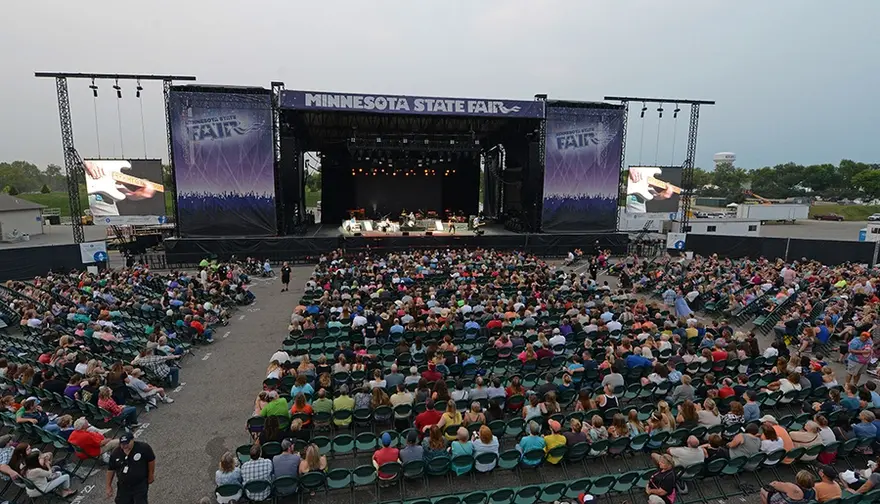
The Minnesota State Fair Grandstand, located at 1269 Snelling Ave N in Saint Paul, Minnesota 55108, United States, stands as an iconic venue within the heart of one of America’s largest state fairs. This guide provides an in-depth look at its rich history, vibrant atmosphere, technical equipment, management, what attendees can expect, concessions, and additional tips for event goers. Whether you’re catching a concert, thrill show, or simply soaking in the fair’s energy, this venue offers a blend of historic charm and modern entertainment.
History
The Minnesota State Fair Grandstand has been a cornerstone of the fairgrounds since the late 19th century, evolving from a simple wooden structure to a multifaceted entertainment hub. The first Grandstand was erected in 1885 as a double-decked wooden edifice seating about 12,000 spectators, primarily for horse races on a one-mile dirt track that occupied a quarter of the fairgrounds. It was razed in 1891 due to wear, and a second version, made of wood and iron, was built in 1892 with similar capacity, but it too was condemned and demolished after the 1908 fair.
The current Grandstand, constructed in 1909 by St. Paul architects Reed & Stem, marked a significant upgrade. This reinforced steel and concrete building measures 378 feet by 171 feet and stands 105 feet tall, with four stories including exhibition spaces. Built in a frantic five-month push involving hundreds of workers, it opened just in time for the fair, seating around 13,000 and oriented northwest for optimal racetrack views.
Over the decades, it hosted pivotal events: Teddy Roosevelt’s famous 1901 “Speak softly and carry a big stick” speech, world-record horse and auto races (like Dan Patch’s 1906 mile in 1:55), early aviation meets in 1910, and presidential addresses from Taft and Coolidge. The 20th century brought transformations. Electricity in 1899 enabled evening shows and fireworks, while the 1930s saw bleacher additions and the introduction of “Thrill Day” with chariot races, parachute jumps, and crashing locomotives. Horse racing ended in 1949, auto racing persisted until 2002, and the one-mile track was removed in 1939, replaced by a half-mile asphalt version in 1964.
Major renovations included a $18 million project from 2002-2004, which added stairways, elevators, restrooms, and new seating while removing old bleachers. In 2017, the Veranda shopping and dining area was added on the second floor, along with an accessible west-side elevator. Celebrating its centennial in 2009, the marquee was upgraded with LED lights. Today, it focuses on concerts, having hosted legends like The Supremes, B.B. King, Alabama (19 times), and modern acts like Brandi Carlile and Macklemore, drawing record crowds up to 22,117.
Atmosphere
The Grandstand exudes a lively, nostalgic atmosphere, blending the excitement of the Minnesota State Fair with under-the-stars entertainment. As the “historic heart” of the fairgrounds, it buzzes with energy during the annual fair (late August to Labor Day), where concerts and shows cap off days of fair activities. The open-air setting creates an electric vibe, enhanced by post-show fireworks (weather permitting, starting 9-10:30 p.m.) that light up the night sky. Rain or shine, events proceed, fostering a resilient, communal spirit – attendees often don ponchos for inclement weather, adding to the fun, fairground charm. The venue’s location on Dan Patch Avenue, amid vendors and exhibits below the seating, immerses visitors in the fair’s sensory overload of sights, sounds, and smells. It’s family-friendly yet thrilling, with a mix of reserved seating and standing areas that encourage dancing and cheering during high-energy performances.
Equipment
Technically, the Grandstand is equipped for large-scale events, featuring a prominent stage flanked by LED video screens on both sides for enhanced visibility, ensuring even distant seats catch every detail. The structure includes modern sound and lighting systems tailored for concerts, with historical roots in its 1909 concrete design that supports robust setups. Capacity hovers around 13,000 seats, though concerts have drawn over 22,000 with standing options. Upgrades like the 2002-2004 renovation added elevators, ramps, and updated restrooms, while the 2009 marquee LED overhaul improved energy efficiency. Below the stands, two floors house nearly 200 merchandise vendors, including the Veranda for shopping and dining. Accessibility equipment includes assistive listening devices and ASL interpreters upon request.
Who Manages It
The Grandstand is managed and operated by the Minnesota State Agricultural Society, a quasi-state agency that oversees the entire Minnesota State Fair. This nonprofit organization, established in 1854, handles everything from event programming to maintenance, committing resources to preserve the venue’s historic integrity. They partner with entities like Etix for ticketing and the Minnesota State Fair Foundation for projects such as the 2009 marquee renovation. Day-to-day operations include staffing ushers, security, and vendors, ensuring smooth events during the fair’s 12-day run.
What to Expect
Attendees should anticipate a seamless blend of fair admission and concert access – Grandstand tickets don’t include fair entry, so purchase both. Doors open 60-90 minutes before shows; arrive early for prime spots, especially in general admission standing areas or Party Decks (standing-room-only above concessions). Expect security searches, prohibited items checks (no umbrellas, coolers, or recording devices), and ID verification for beer. Events run rain or shine with no refunds for weather, but fireworks add a magical close. Seating varies: reserved plaza-level folding chairs or elevated theater-style seats; kids under 2 are free but lap-sit. For accessibility, elevators and ramps provide entry, with wheelchair seating and bariatric chairs available.
Concessions
Concessions inside the Grandstand enhance the experience with a variety of food, drinks, beer, and artist merchandise. Beer sales continue until about an hour before the show ends, with ID checks mandatory. The Veranda on the second floor offers a shop-eat-sip area with balcony views, featuring fair favorites like snacks and beverages. Cash machines are conveniently placed outside entrances and inside at plaza ends. Note that coolers are banned, so plan to purchase on-site for a hassle-free evening.
Additional Information for Event Goers
Beyond the basics, practical tips include using mobile or print-at-home tickets for easy entry and sharing. Will Call is available 90 minutes prior with ID. Smoking is limited to designated plaza areas (no marijuana anywhere on grounds). For severe weather, check the fair’s inclement plan online. The venue’s north-side location between Chambers and Nelson streets makes it central, but parking can be crowded – consider shuttles or rideshares. First aid is on-site, and the ticket office (651-288-4427) handles inquiries. With its blend of history and modernity, the Grandstand promises memorable experiences for all ages.
For more information on the Minnesota State Fair Grandstand see the pages below:
Minnesota State Fair Grandstand Parking:
Read parking information and directions for the Minnesota State Fair Grandstand.
Ticket Policies:
Read ticket policies, ticket verification and refund policies.
Minnesota State Fair Grandstand Seating Chart:
View the Minnesota State Fair Grandstand seating map and read related seating information.